English Czech
Sign In menu
×
Home FAQ PI Program Lab Testing Prices Guidelines Webinars About Me Contact

Practical Guidelines

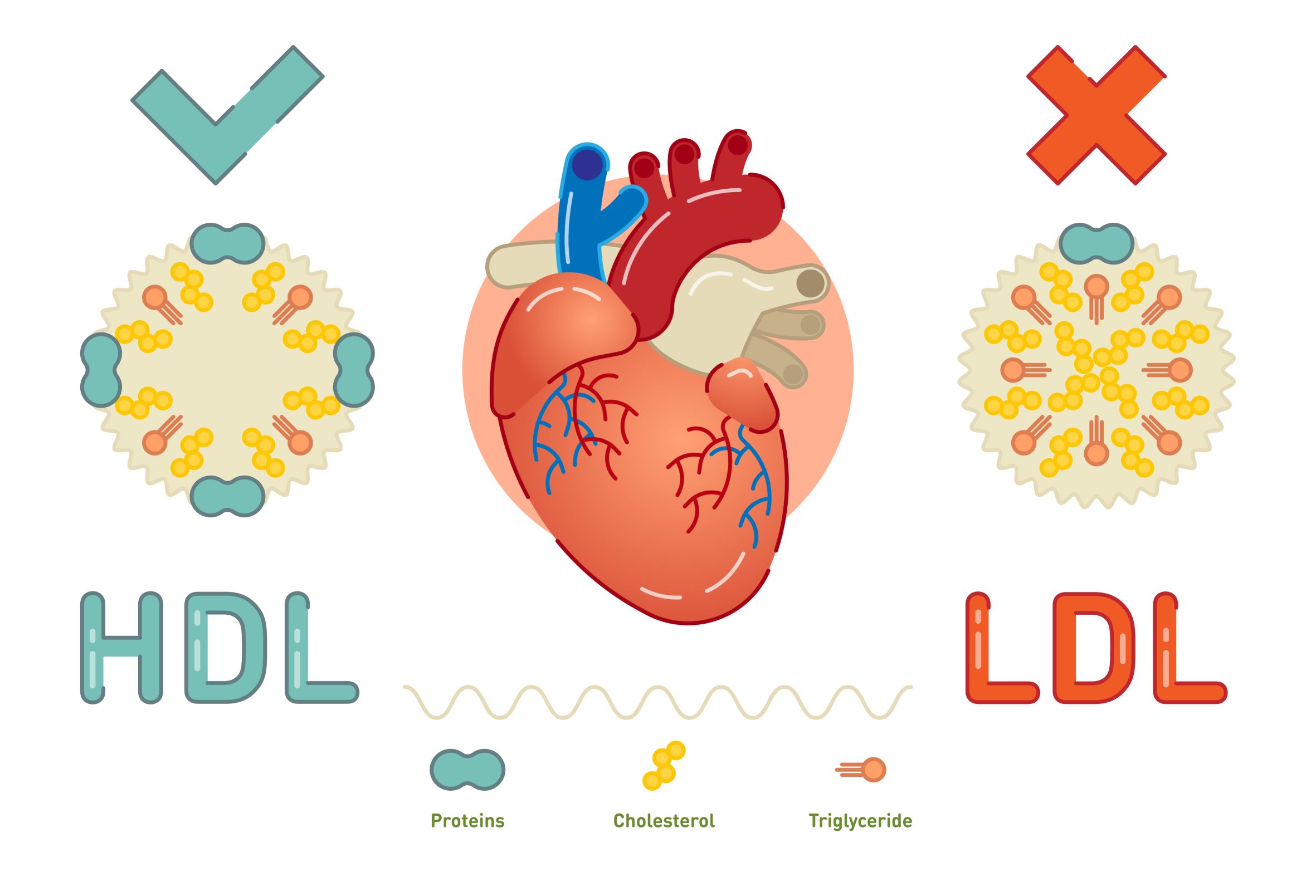
Cholesterol: The Good, Bad and The Ugly
This article explores the different types of cholesterol, their roles in the body, and how they can impact health positively or negatively.
Foods Rich in Fungal (Mold) Protein-Allergens
Foods rich in malt and fungal malt protein can exacerbate symptoms in children with autism or ADHD due to potential sensitivities to gluten, histamines, or fungal residues.
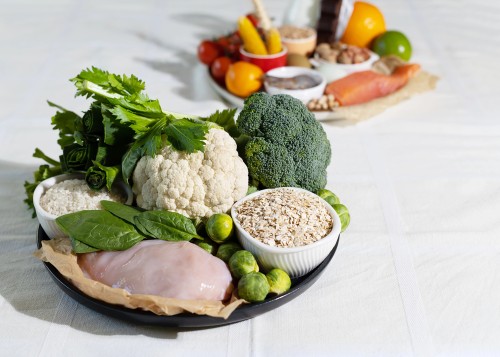
Elimination Diet Food Plan
An elimination diet can help identify and address food sensitivities or intolerances that may contribute to behavioral, digestive, or neurological challenges.
Suggestions For Better Sleep
This document provides practical strategies to help children sleep by addressing sensory needs, establishing routines and creating a conductive sleep environment.
Recommendations For Sleep Duration
The document outlines recommended sleep durations for children of different ages, providing guidelines to ensure they get adequate rest for healthy development and well-being.
Sugars
This tool outlines which sugars to include or avoid, as some can worsen inflammation, digestion, and behavior in children with autism and developmental disorders.
Pediatrics Healthy Eating Tips for Children
The document provides practical advice on fostering balanced nutrition and healthy eating habits to support children’s growth, development, and overall well-being.
Developmental Disorders and Essential Fatty Acids
Untreated deficiencies in fatty acids in childhood can lead to psychiatric symptoms, such as mood disorders, in adulthood, making supplementation essential.
Diet, Nutrition & Dyslexia
Nancy Guberti's text explores the link between diet, nutrition, and dyslexia, emphasizing how proper nutritional support can aid cognitive function and learning in children with dyslexia.
Gluten-Free/Casein-Free Diet
This guideline outlines what to eat and avoid on a gluten-free and casein-free diet, as these proteins can contribute to inflammation, particularly in the gut, which may worsen symptoms in children with autism.
Environmental and Dietary Triggers To Avoid
Learn about key dietary and environmental triggers that can impact children with special needs, and how to identify and avoid them for improved well-being.
Why Corn and Its Derivatives May Harm Children
Corn and corn products can be problematic for children with special needs due to their potential to contain high levels of pesticides, mold toxins, and inflammatory proteins, which may exacerbate behavioral and gut issues.
Natural Approaches To Dyslexia
Discover natural approaches to dyslexia, focusing on the role of diet, targeted supplementation, and effective therapies to support learning and development.
Pediatric Recommendations for the Use of Technology
Excessive screen time can negatively impact a child’s brain development, sleep, and social skills. This guide provides recommendations on technology use and practical strategies to help families create a balanced and sustainable approach to screen time.
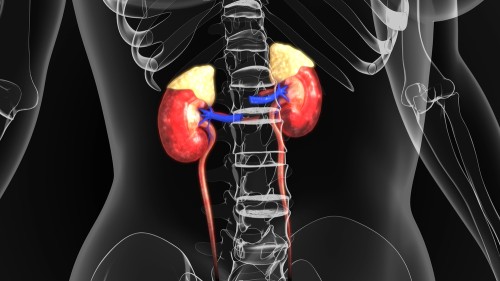
Adrenal Fatigue
Adrenal fatigue is common today, affecting both adults and children alike. Issues with the adrenal system are often present in children with autism. This questionnaire can help assess whether adrenal fatigue may be an issue.